How Rehabilitation Centres Work: What Families Should Know Before Admission
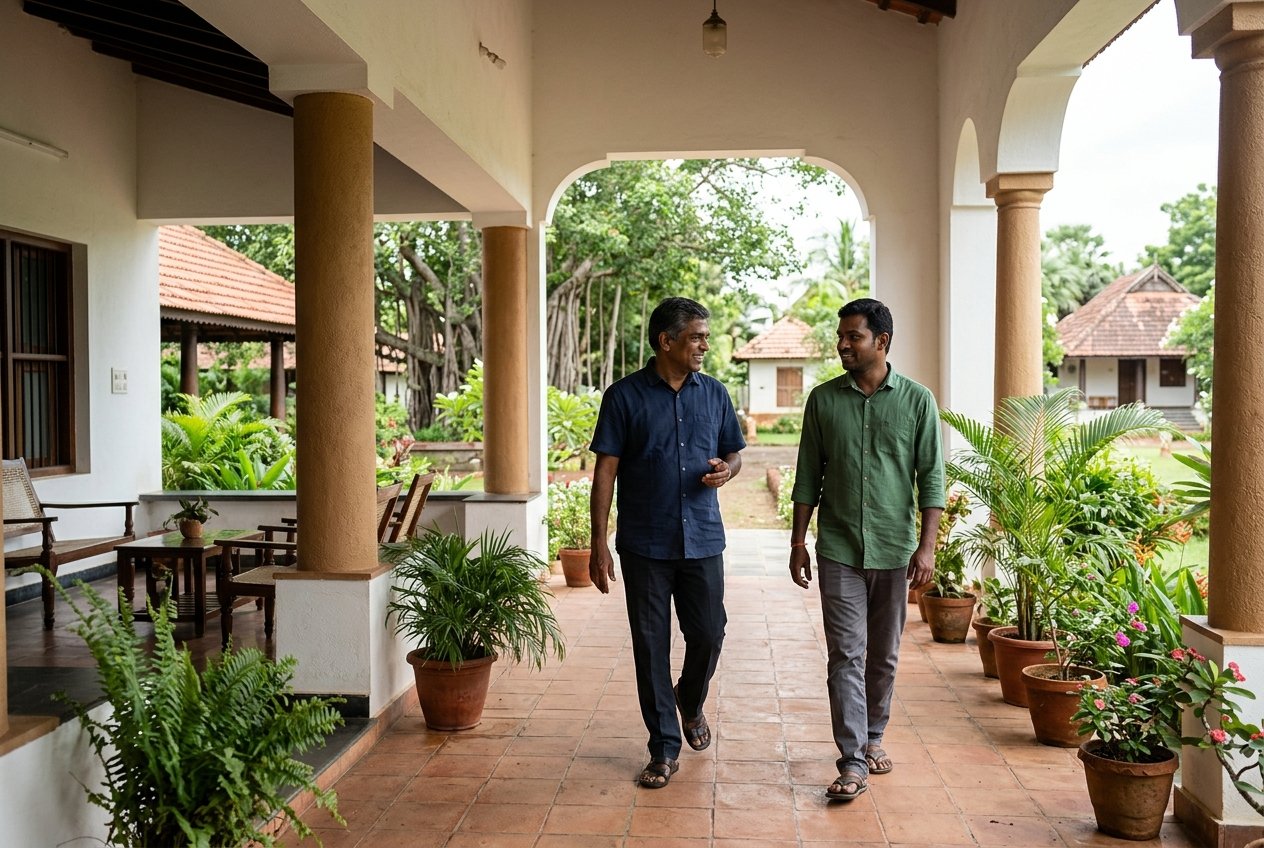
For families encountering addiction for the first time, the concept of a rehabilitation centre can feel unfamiliar, intimidating, or clouded by misconceptions. What actually happens behind the doors of a residential facility? How does daily treatment lead to long-term sobriety?
At Pure Life Foundation in Dharmapuri, we believe that informed families make the best advocates for their loved ones. Here is an honest, transparent breakdown of how a professional rehabilitation centre operates.
1. The Primary Purpose: A Trigger-Free Sanctuary
Addiction is maintained through habits, environments, and associations. If an individual attempts to stop drinking or using drugs while remaining in the same neighborhood, with the same social circle and daily stress, the likelihood of relapse is extraordinarily high.
A residential rehabilitation centre creates an insulated physical space away from commercial distractions and substance access, allowing the nervous system to calm down and the mind to regain clarity.
2. The Clinical Stages of Residential Recovery
Stage 1: Intake Assessment & Stabilization
Upon arrival, medical and psychological staff conduct a comprehensive intake. Vital signs, mental state, and substance history are documented. If physical withdrawal symptoms emerge, the individual is provided with close supportive observation and nutritional care to ensure safety.
Stage 2: Psychological Therapy (Uncovering Root Drivers)
Once physical stabilization is achieved, structured counseling begins. Through Cognitive Behavioral Therapy (CBT), patients discover why they turned to substances—examining past traumas, emotional triggers, unmanaged stress, or self-esteem issues.
Stage 3: Group Support & Peer Accountability
Isolation fuels addiction; community fuels recovery. Group therapy sessions provide a mirror where individuals see that they are not alone. Sharing personal struggles without fear of judgment breaks down deep-seated shame.
Stage 4: Family Healing & Aftercare Planning
Before discharge, families participate in counseling to repair fractured trust and learn constructive communication. A tailored relapse prevention plan is drafted with specific action steps for maintaining sobriety at home.
Questions About Admission Procedures in Dharmapuri?
Our team is available 24/7 to discuss facility care, explain daily schedules, and answer any concerns your family may have before making a decision.
Questions to Ask Before Choosing a Rehabilitation Centre
Before enrolling your family member in any recovery centre in Tamil Nadu, consider asking these vital questions:
- Is the environment secure, clean, and respectful? Tour the grounds to ensure your loved one will be treated with dignity.
- Are there qualified counselors and medical oversight? Confirm that psychological care is delivered by trained professionals.
- How is the family involved during treatment? Look for centres that offer structured family counseling, not just patient isolation.
- What is the aftercare strategy? Ensure the facility provides long-term follow-up support to prevent relapse.
Frequently Asked Questions
A structured daily routine is critical for restoring biological sleep-wake cycles and mental focus. A typical day includes morning mindfulness or light yoga, nutritious community meals, individual counseling, psychoeducational workshops, peer recovery circles, recreation, and reflective evening meetings.
Yes. While initial stabilization often requires a brief period of uninterrupted focus to help patients disconnect from triggers, scheduled family counseling sessions, telephone calls, and structured visits are fundamental components of our program.
Key factors include checking for a clean, secure physical environment, transparent admission policies, certified psychological counselors, medical oversight protocols, inclusion of family therapy, and proactive aftercare planning.