Symptoms of Drug Addiction & How Families Can Constructively Help
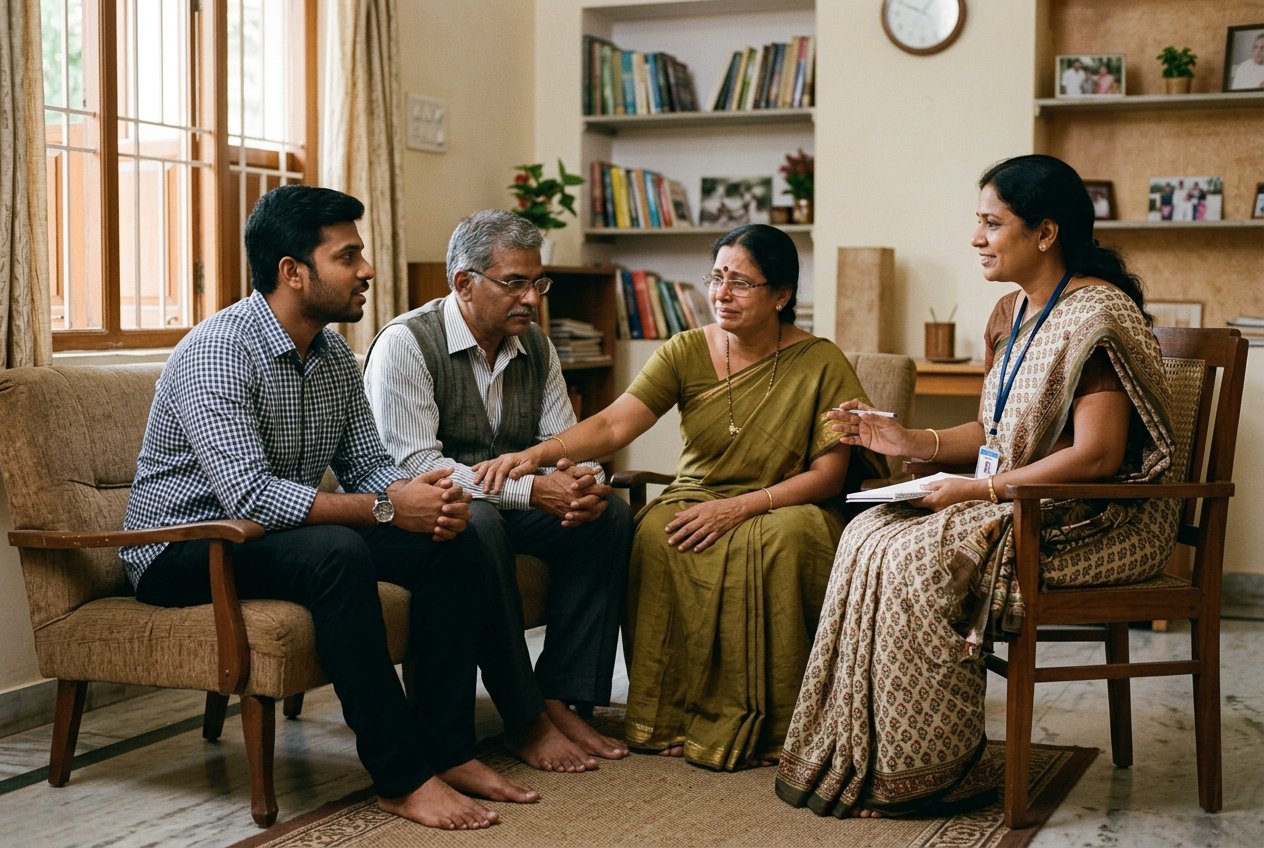
Discovering that a child, spouse, or sibling is struggling with drug addiction is an overwhelming experience. Families often oscillate between anger, despair, disbelief, and intense worry. Understanding the early indicators of substance dependency is the first critical step toward guiding your loved one to safety.
Recognizing Behavioral and Physical Warning Signs
Substance abuse rarely stays hidden indefinitely. As dependency tightens its grip, changes manifest across multiple dimensions of an individual's life:
1. Behavioral and Social Shifts
- Increased Secrecy: Guarding phones, locking bedroom doors, evasiveness about whereabouts and companions.
- Financial Discrepancies: Borrowing money repeatedly, unexplainable expenditures, or valuable household items disappearing.
- Neglect of Responsibilities: Declining academic grades, frequent unexplained absences from work, or abandoning family roles.
- Abandoning Past Hobbies: Losing interest in sports, creative pursuits, or activities once enjoyed.
2. Psychological and Emotional Fluctuations
- Unprovoked hostility, defensiveness, and verbal outbursts over minor questions.
- Extreme mood swings ranging from intense euphoria to severe depressive withdrawal.
- Paranoid thinking, acute anxiety, or dramatic shifts in self-confidence.
Need Professional Advice for Your Family?
You don't have to confront this alone. Our counselors in Dharmapuri can help you plan a calm, loving approach that encourages voluntary treatment.
Actionable Steps Families Can Take
Helping an addicted loved one requires a delicate balance of compassion and firm boundaries. Here is how families can provide genuine help without enabling the condition:
1. Educate Yourself on Addiction Biology
Understand that repeated drug use rewires the brain's reward and impulse control circuitry. The individual is not using drugs simply to hurt you—they are trapped in a biological loop of craving and compulsion. Approaching them with clinical empathy rather than moral accusations yields better communication.
2. Stop Rescuing Them from Consequences
Protecting someone from legal troubles, lying to their employer, or paying off debt actually prolongs the addiction cycle. When families allow natural consequences to occur, individuals are often compelled to confront their reality and accept professional help.
3. Connect With Professional Support
Reaching out to a specialized rehabilitation centre like Pure Life Foundation in Dharmapuri provides you with an objective, experienced team that can handle intake evaluation, residential stabilization, and long-term recovery planning with full discretion.
Frequently Asked Questions
Common physical indicators include dilated or constricted pupils, sudden noticeable weight loss or gain, unkempt physical appearance, constant runny nose or coughing, unusual body odor, and persistent tremors or lethargy.
Avoid yelling, lecturing, threatening ultimatums you cannot enforce, or initiating confrontations while the person is actively intoxicated. Instead, wait for a calm, sober moment and speak from a place of love, concern, and specific observable behaviors.
Our counseling team supports families throughout the entire intake process—explaining what to expect, helping navigate resistance, and structuring regular updates and family counseling sessions during treatment.