How to Manage Alcohol Withdrawal Safely: Why Medical Supervision is Essential
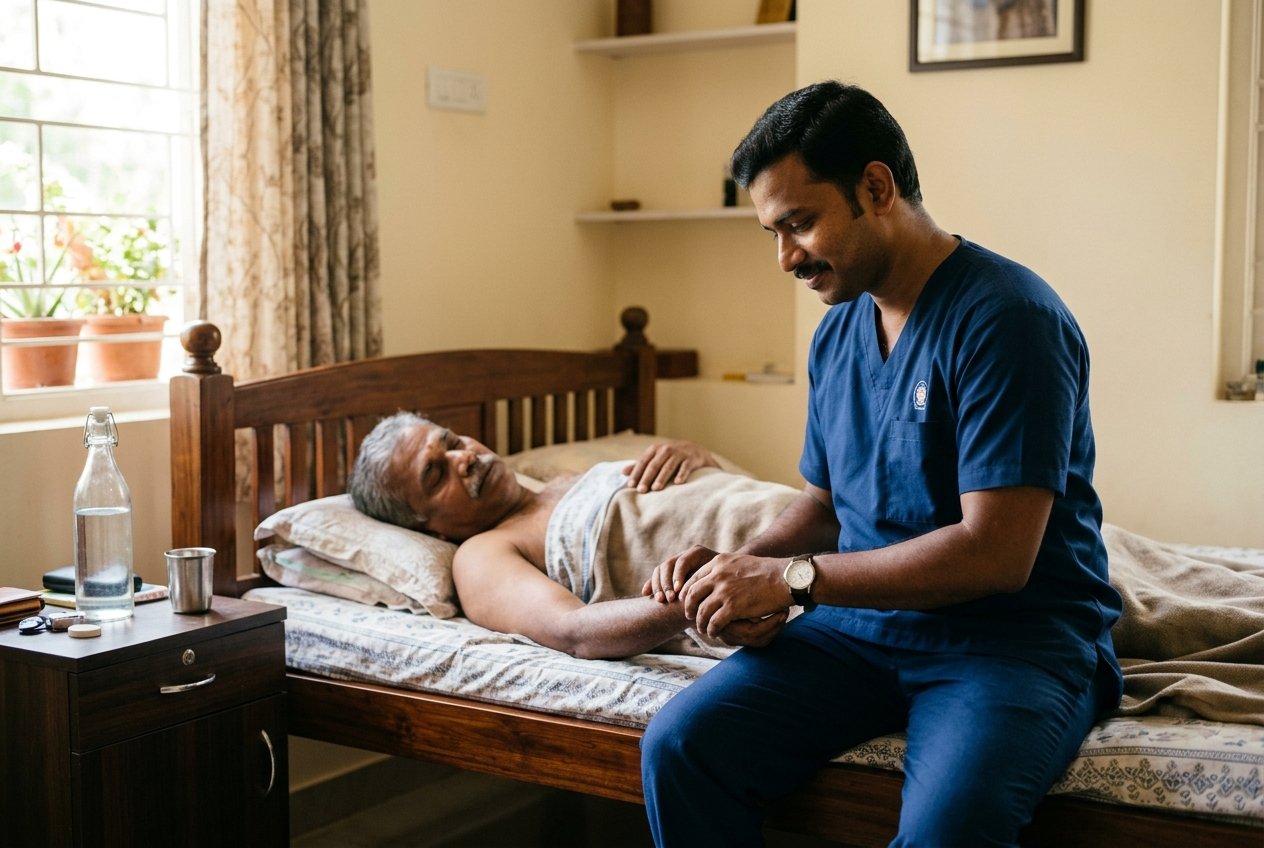
Urgent Medical Notice: Alcohol withdrawal can rapidly escalate into a medical emergency. If you or a loved one is experiencing severe shaking, confusion, high fever, or seizures after discontinuing alcohol, seek emergency hospital care immediately. Never attempt unmonitored home detox for severe dependency.
Making the decision to stop drinking alcohol is an admirable and life-changing first step. However, for individuals who have been consuming alcohol heavily or on a daily basis, stopping abruptly is not simply a matter of willpower—it is a physiological crisis that demands careful medical caution.
Why Alcohol Withdrawal is Physiologically Complex
Alcohol is a powerful central nervous system depressant. Over months or years of continuous intake, the brain adapts by ramping up excitatory neurotransmitters to stay alert. When alcohol intake stops suddenly, the brain remains in an over-stimulated, hyperactive state without its customary sedative brake.
This neurological rebound produces what is clinically termed Alcohol Withdrawal Syndrome (AWS). Symptoms often progress rapidly:
- 6 to 12 Hours: Onset of anxiety, shaky hands (tremors), headache, nausea, sweating, and rapid pulse.
- 12 to 48 Hours: Escalation of insomnia, sensory hyper-reactivity, and in some cases, withdrawal-related seizures.
- 48 to 72 Hours: Risk of Delirium Tremens (DTs)—characterized by severe confusion, vivid hallucinations, dangerous blood pressure spikes, and high fever requiring intensive medical care.
The Role of Professional Evaluation & Stabilization
Because it is impossible to predict who will experience mild withdrawal and who will suffer severe complications, a formal clinical evaluation is vital before discontinuing alcohol. In a professional rehabilitation and de-addiction setting, such as Pure Life Foundation in Dharmapuri:
- Vital signs (pulse, blood pressure, temperature) are monitored regularly.
- Nutritional replenishment (including B-complex vitamins and electrolytes) is provided to prevent neurological deficiencies.
- Patients rest in a tranquil, non-judgmental environment completely insulated from alcohol access.
Worried About a Family Member's Drinking?
If someone you love is experiencing withdrawal tremors or cannot control their drinking, reach out to our recovery advisors in Dharmapuri for immediate, confidential guidance.
Why Physical Detox Alone Is Not Enough
Safely completing withdrawal removes the physical toxin, but it does not cure addiction. The psychological drivers—chronic work stress, relationship conflict, emotional trauma, or social pressures—remain waiting.
Sustainable recovery requires structured follow-up care, including:
- Cognitive Behavioral Therapy (CBT): Learning to identify personal drinking triggers and unlearn automatic behavioral patterns.
- Peer Group Discussions: Connecting with others in recovery to dismantle feelings of shame and isolation.
- Family Counselling: Helping family members understand boundaries and support recovery constructively.
- Relapse Prevention Planning: Developing concrete action steps for high-risk situations.
Frequently Asked Questions
Abruptly stopping alcohol after prolonged, heavy drinking can trigger severe central nervous system rebound. This can manifest as uncontrollable tremors, intense panic, hallucinations, and life-threatening seizures (Delirium Tremens). Professional medical supervision is essential.
Early signs typically emerge within 6 to 24 hours after the last drink, including shaky hands (morning tremors), sweating, accelerated heart rate, nausea, severe restlessness, and acute anxiety.
After initial physical stabilization and withdrawal observation, the patient participates in individual counseling, Cognitive Behavioral Therapy (CBT), group recovery meetings, and family counseling to establish long-term sobriety habits.